
Top Reasons Cars Fail Roadworthy Inspections on the Gold Coast and How to Pass First Time
Failing a roadworthy inspection on the Gold Coast can delay registration transfers, dent resale value and add unexpected repair costs. This guide reveals the most common defect categories—brakes, tyres, steering, lights and body damage—then shows how to prepare your car, covers vehicle-specific pitfalls, explains next steps after a failure and highlights why mobile inspections deliver a first-time pass. Discover actionable checks and expert advice to secure your Gold Coast roadworthy certificate without hassle.
What Are the Most Common Reasons Cars Fail Roadworthy Inspections on the Gold Coast?
Roadworthy inspections assess a vehicle’s safety compliance under Queensland’s Code of Practice, and five defect categories account for most failures.
Queensland Roadworthy Standards
Roadworthy inspections in Queensland assess a vehicle’s safety compliance, with specific defect categories like brakes, tyres, and lights being key areas of focus. These inspections are conducted to ensure vehicles meet the standards outlined in the Queensland Code of Practice.
Department of Transport and Main Roads, Queensland Code of Practice (2024)
This citation supports the article’s introduction of roadworthy inspections and the standards they adhere to.
These categories guide targeted pre-inspection checks to avoid failure.
Common Roadworthy Failures
Failures in roadworthy inspections often stem from issues within five main categories: brake systems, tyres and wheels, steering and suspension, lights and electrical components, and body damage. Addressing these areas proactively can significantly improve the chances of passing the inspection.
Queensland Government, Vehicle Standards (2023)
This citation reinforces the article’s discussion of the most common reasons for roadworthy failures.
How Do Brake System Issues Cause Roadworthy Failures?
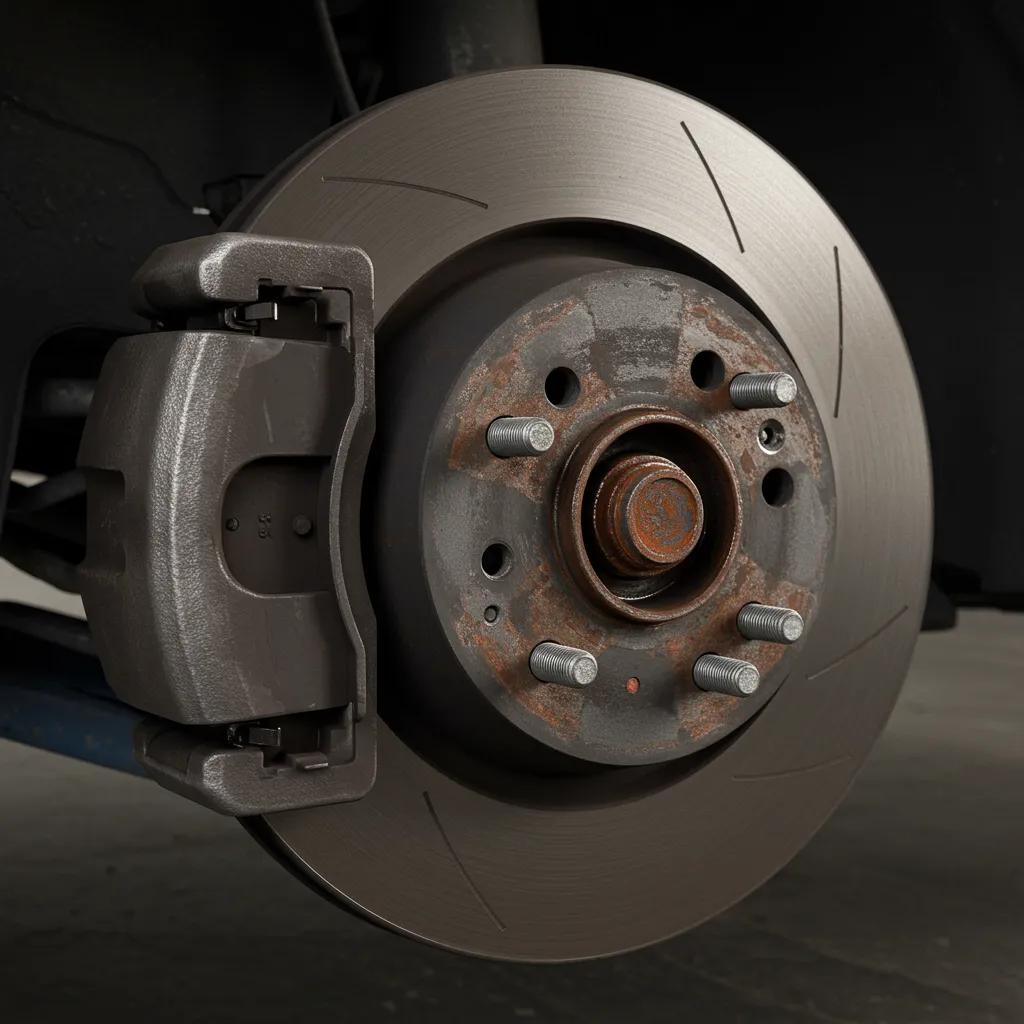
Brake system failures occur when worn pads, warped discs or leaking hoses undermine stopping force and present a safety hazard.
Key brake defects include:
- Worn brake pads that reduce friction and extend stopping distances.
- Brake fluid leaks that cause pedal fade and uneven braking.
- Handbrake imbalance that prevents secure parking on slopes.
Ensuring brake integrity prevents inspection failures and supports safe control.
Why Do Tyre and Wheel Defects Lead to Inspection Failures?
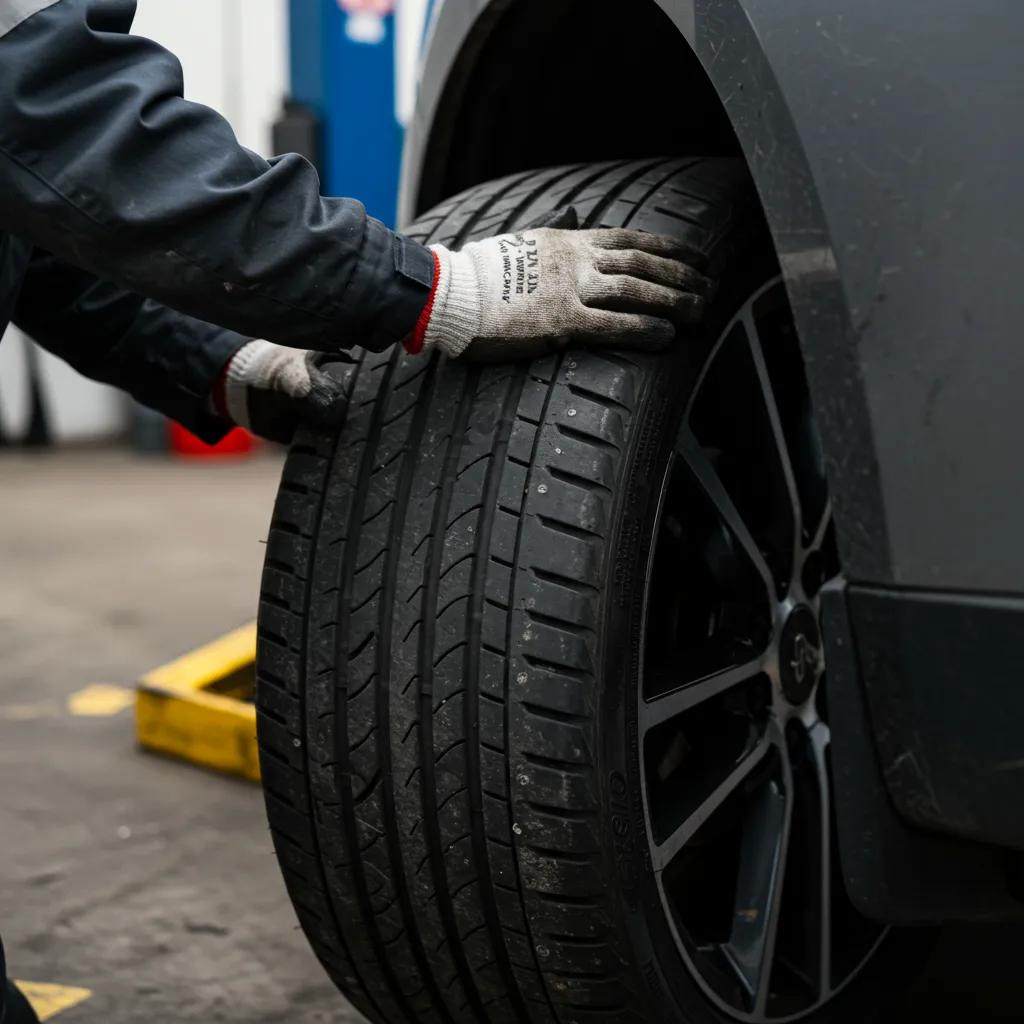
Tyre and wheel defects trigger failures when tread depth falls below legal limits or damage compromises handling.
Common tyre faults include:
- Insufficient tread depth under 1.5 mm that impairs wet-road grip.
- Sidewall bulges or cuts that risk sudden blowouts.
- Incorrect tyre pressure creating uneven wear and alignment issues.
Addressing wheel condition ensures traction and stability for a pass.
What Steering and Suspension Problems Result in Roadworthy Rejections?
Steering and suspension problems cause rejections when worn components reduce responsiveness and ride safety.
Frequent issues include:
- Loose tie rods that create play in steering inputs.
- Worn bushes or ball joints that impair alignment.
- Leaking shock absorbers that compromise damping and control.
Maintaining steering precision enhances roadworthy compliance.
How Do Lights, Signals, and Electrical Faults Affect Roadworthy Outcomes?
Faulty lights and electrical systems lead to failures by limiting communication with other road users.
Typical lighting defects include:
- Blown headlight or brake light bulbs that reduce visibility.
- Faulty wiring causing intermittent signal operation.
- Non-compliant lens colours that breach lighting standards.
Verifying every circuit prevents inspection faults.
What Role Do Windscreen and Body Damage Play in Inspection Failures?
Windscreen chips, cracks and corroded panels prompt failures when visibility is impaired or sharp edges exist.
Main body and glass defects include:
- Windscreen cracks larger than permitted safe zones.
- Stone chips that extend into driver’s line of sight.
- Rusted panels with sharp edges that risk injury.
Repairing glass and bodywork restores compliance and clear view corridors.
How Can You Prepare Your Car to Pass a Gold Coast Roadworthy Inspection First Time?
A pre-inspection validates critical systems and corrects defects before booking an approved inspection.
What Is Included in a Gold Coast Roadworthy Pre-Inspection Checklist?
A comprehensive pre-inspection checklist covers brakes, tyres, lights, suspension, windscreen and fluid leaks to confirm compliance with safety standards. Conducting these checks early identifies faults and saves re-inspection fees.
How Should You Check Brakes, Tyres, and Lights Before Inspection?
Brakes should be tested for pedal firmness, tyres measured with a tread gauge and lights switched on to verify brightness and function.
- Press the brake pedal firmly to detect sponginess.
- Measure tyre tread across centre and shoulders.
- Cycle all indicators, headlights and brake lights.
Systematic testing ensures no system is overlooked.
When Should You Schedule Repairs to Avoid Roadworthy Failures?
Scheduling repairs immediately after fault identification—ideally one to two weeks before booking—allows time for parts replacement and retesting.
- Replace brake pads at 70% wear or sooner.
- Fit new tyres when tread is at or below 1.5 mm.
- Repair chips or cracks in the windscreen promptly.
Timely action prevents last-minute inspection delays.
What Are the Unique Roadworthy Failure Points for Different Vehicle Types on the Gold Coast?
Specialised vehicles often exhibit specific defect patterns that require tailored checks.
What Common Failures Occur in Uber and Rideshare Vehicle Inspections?
Uber and rideshare cars fail when interior signage or decals obscure windows, seat mounts loosen and COI tachograph data is out of date. Verifying decal placement, seat security and COI expiry prevents commercial-use failures.
How Do Motorcycle Roadworthy Inspections Differ in Failure Reasons?
Motorcycle inspections reject bikes with brake pad thickness under 1 mm, chain wear beyond tolerance and missing reflectors that reduce rider visibility. Checking pad depth, chain slack and reflector placement ensures a smooth first-time pass.
What Are Typical Trailer and Caravan Defects Causing Roadworthy Failures?
Trailers and caravans often fail due to corroded coupling mechanisms, faulty tail lights and tyres with incorrect load ratings. Examining coupling pins, wiring connectors and tyre specifications restores compliance for towed vehicles.
What Happens If Your Car Fails a Roadworthy Inspection on the Gold Coast?
When a vehicle fails, a defect notice details mandatory repairs that must be completed before a re-inspection can occur.
How Does the Re-Inspection Process Work After a Failure?
The re-inspection process involves rectifying listed defects and presenting the vehicle to an authorised inspector within 45 days to retain the original application fee. Early re-checking avoids repeat booking charges.
What Repair Options Are Available to Pass Your Roadworthy Inspection?
Repair services range from mobile brake pad replacement and tyre fitting to windscreen chip sealing by qualified technicians. Opting for on-site repairs minimises downtime and ensures immediate compliance verification.
How Long Do You Have to Fix Defects and Re-Book Inspections?
Queensland regulations allow up to 45 days from the initial inspection date to correct defects and re-book without incurring a new certificate fee. This window gives ample time for parts delivery and professional repairs.
Why Choose Mobile Roadworthy Inspections on the Gold Coast to Pass First Time?
Mobile inspections deliver expert service at your location, combining speed with professional accuracy.
How Does Mobile Convenience Save Time and Hassle?
Mobile convenience saves time by bringing DTMR-accredited inspectors to home or workplace, eliminating travel and waiting room delays. This flexibility supports busy schedules without sacrificing thoroughness.
What Qualifications Do Gold Coast Inspectors Have?
Gold Coast inspectors are qualified mechanics accredited under Queensland’s transport regulations and trained to interpret the Code of Practice for light vehicle inspections. Their expertise guarantees a reliable certificate.
How Can Same-Day Service Help You Pass Quickly?
Same-day service ensures urgent inspections and certificates can be completed within 24 hours, speeding up registration transfers and sales processes. Fast turnaround reduces compliance risks and booking stress.
Securing a Gold Coast roadworthy certificate starts with understanding common failures, performing a thorough pre-inspection and choosing a mobile service that prioritises your first-time pass. Book Roadworthy Gold Coast’s on-site inspection today to enjoy expert convenience, same-day certificates and confidence that your vehicle meets Queensland safety standards.